Temple of Artemis in Ephesus and Its Ancient Legacy
The Temple of Artemis was one of the most celebrated sanctuaries of the ancient world. Located near the ancient city of Ephesus in western Turkey, it was dedicated to Artemis, a goddess associated with nature, protection, and fertility. Although little of the original temple remains above ground today, its history continues to draw visitors interested in archaeology and the Seven Wonders of the Ancient World.
A visit to the temple site pairs naturally with a tour of Ephesus. Together, the remains help tell the story of a region where religion, trade, and civic life were closely connected.
The history of the Temple of Artemis
The sanctuary developed over many centuries, with earlier places of worship preceding the famous monumental temple. The best-known structure was rebuilt on a grand scale and became renowned for its size, columns, and artistic decoration. Ancient writers described it as an extraordinary achievement, and it became one of the Seven Wonders of the Ancient World.
The temple was damaged and rebuilt at different times. Its history includes destruction by fire and later attacks, followed by periods of reconstruction. Eventually, changing religious and political conditions led to its decline. Stones and architectural pieces were reused in other buildings, leaving only limited remains at the site today.
What visitors can see today
The Temple of Artemis site is close to Selçuk and the archaeological remains of Ephesus. Visitors can see the foundations and a reconstructed column that help indicate the scale of the sanctuary. The setting is open and accessible, but the contrast between the modest remains and the temple’s ancient reputation makes its history especially compelling.
Take time to imagine the columns and courtyards that once defined the complex. A guide can explain how the sanctuary related to the nearby city and why pilgrims and visitors traveled there. For help planning a personal visit or combining the temple with Ephesus, contact our team.
Combine the temple with an Ephesus tour
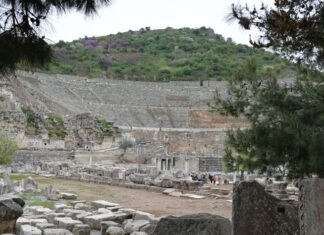
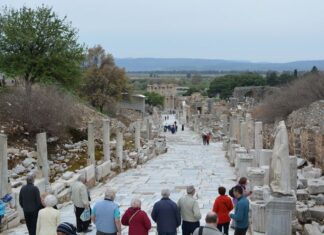
Most visitors include the Temple of Artemis as part of a wider cultural itinerary. Ephesus features remarkable streets, public buildings, and monuments from Greek and Roman periods. Exploring the city alongside the temple offers a fuller picture of the area’s ancient history and religious traditions.
Wear comfortable shoes, bring water, and check current site access information before travelling. The temple remains are outdoors, so sun protection is useful during warmer months. You can learn more about the region’s place among the Seven Wonders of the Ancient World while planning your route.
Discover more historic destinations
Travelers continuing through Turkey may enjoy a Nemrut Sunrise Tour, where monumental stone figures overlook the surrounding mountains. For a different cultural setting beyond Turkey, the Rila Monastery in Bulgaria is known for its historic architecture and richly decorated interiors.
Experience the Temple of Artemis with context
The Temple of Artemis is a powerful reminder that a site’s importance is not measured only by what survives today. Its history, reputation, and connection to Ephesus make it a meaningful stop for anyone curious about the ancient world. With a knowledgeable guide, visitors can better picture the sanctuary’s former scale and understand its lasting place in history.